Free Ground Shipping on Orders Over $49 Details & Exclusions Excludes Curb Side Delivery (LTL). Lower 48 United States Only. • NEW! Shop The Fall Lookbook

Nov 14, 2025
Lighting by Room: The Room-by-Room Buying Guide
Lighting your home is one of the most important tasks you have, and it’s simpler than you might think. Selecting lighting by room and understanding how illumination can transform every space helps you transition from amateur decorator to a budding design specialist.
This guide covers every major room in the home, offering advice and tips to brighten your life.
The Importance of Differentiated Lighting
Do you really need different types of lighting in every room? Ask any interior design expert, and the answer is a resounding “Yes.” The good news is that you don’t need to be an interior designer to achieve the premium impact of careful light placement.
Here’s a quick reference guide, room by room, to help you get a feel for what types of lights work in each space.
| Room lights | Bedroom | Bathroom | Kitchen | Living Room |
| Spotlights | Ideal for highlighting the areas where you do your daily rituals, not the whole room. | Direct toward areas near mirrors, cabinets, and shelves for practical brightness. | Spotlights are perfect for a focused glow in food prep areas or for highlighting your favorite bottles in a home bar. | Illuminating your entire living room with spotlights may create deep shadows, but they’re perfect for highlighting ornaments or creating a cozy reading nook. |
| Pendant lights | Pendant lights offer versatility thanks to their numerous designs, but should be paired with lamps and a dimmer switch to create a haven of calming light in the bedroom. | Shadeless or glass-shaded pendant lights add elegance and sparkle to a bathroom space. | For ultra-clean, chic kitchens, pendants can cast shadows and be the fixtures that always need dusting. | A pendant light is a great central option for a living room, but don’t let it carry the weight of illumination by itself. |
| Chandeliers | Opt for chandeliers with small, dimmable lights for a calming addition to your bedroom. | Overly ornate or large chandeliers may feel out of place in a bathroom. However, there are smaller, sleeker options to explore. | Modern, minimalist chandeliers are a great choice for kitchen hosting areas, but less so for prep areas. | Create a striking statement piece in any living room with the right chandelier. |
| Recessed lights | Recessed lighting is ideal for closets, vanities, and highlighting small, specific areas. | Many recessed lights are protected from steam and condensation, making them a sensible yet beautiful choice for bathrooms. | Use recessed lights to brighten dingy spaces below kitchen cabinets or create a flow of light above them. | Cove lighting is often recessed, so consider these types of lights for living rooms with nooks, crannies, and shelves that you don’t want to be lost to the shadows. |
| Lamps | The bedside lamp is essential, but you could consider a wall-mounted option instead of a free-standing one to save space. | Lamps aren’t necessarily the best choice for the bathroom unless they’re rated for moisture resistance. | Clip-on lamps for reading cookbooks or a retro lamp by a bar are both simple ways to use inexpensive lighting options to transform your kitchen. | Living room lighting can use standard lamps by chairs for reading, or small lamps on end tables for perfect pools of light that draw the eye. |
Of course, your home is unique, so read on for more in-depth details on how to truly stamp your personality on these rooms with the careful placement of lighting and light fixtures.
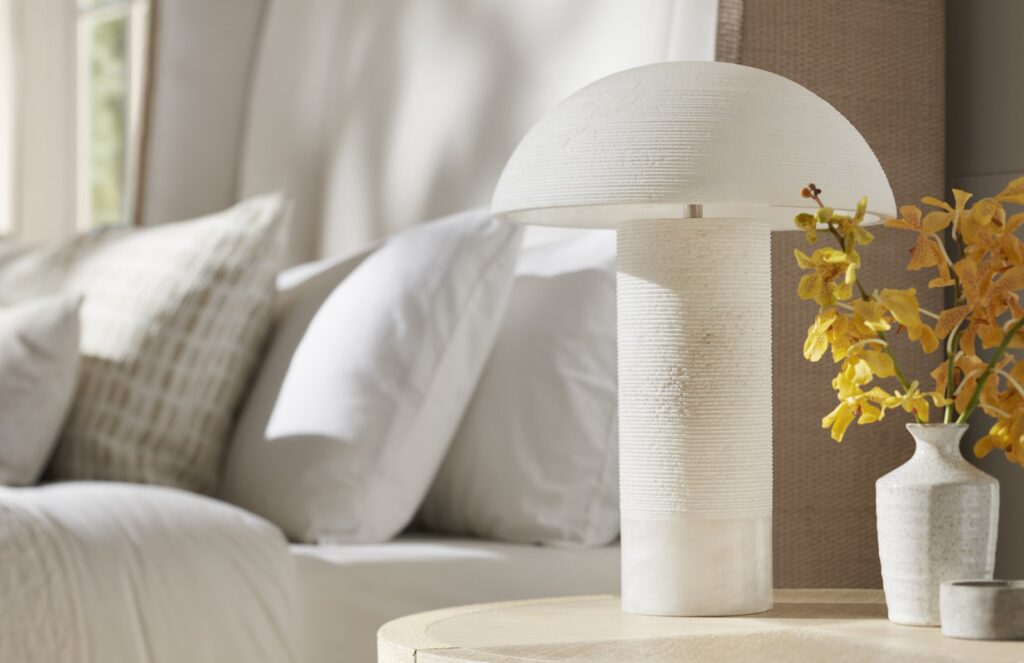
Table Lamp by Zana
Bedroom Lighting
Your bedroom lighting should create an oasis of calm. After all, you spend around a third of your life sleeping. So getting the lighting in here right is essential, and it’s easy when you follow a few simple guidelines:
- Central lighting: Consider a ceiling-mounted light for central illumination, with a dimmer switch to set the mood.
- Work with your space: If you only have two or three areas you use in the bedroom, for example, the bed and a chair by a dressing table, focus on those areas.
- Combine ambiance with practicality: Dimming the lights is lovely, but you need to be able to see. What about a spotlight near your vanity, or a bedside lamp with adjustable levels?
When choosing lamp shades and fixtures for the bedroom, consider neutral tones, calming blues, or tactile brushed metal. Also, when bringing natural light into the room (a great way to refresh in the morning), consider privacy. Translucent blinds or lace drapes can help here.

Wall Lighting by Maxim Lighting
Bathroom Lighting
Most homeowners almost exclusively use ceiling lighting in their bathrooms. There are many good reasons for it, not least that bathroom lights must be moisture-resistant. However, there are multiple, safe ways to light up your daily routines:
- Strip lighting: Modern strip lighting doesn’t have to be harsh or unflattering. Look for LED strips to install around mirrors or cabinets for simple illumination where you need it the most.
- Cooler bulbs: Ask your lighting supplier for cool, not warm, bulbs for bathroom lights to mimic natural light and make personal hygiene tasks easier.
- Central pendant lights: Avoid soft or wooden shades and opt for bold, brushed brass or sparkling glass fittings for pendant lights that brighten your whole bathroom.
You can also consider recessed lighting around bathroom shelves and cabinets to make it easier to find your everyday essentials.
Kitchen Lighting
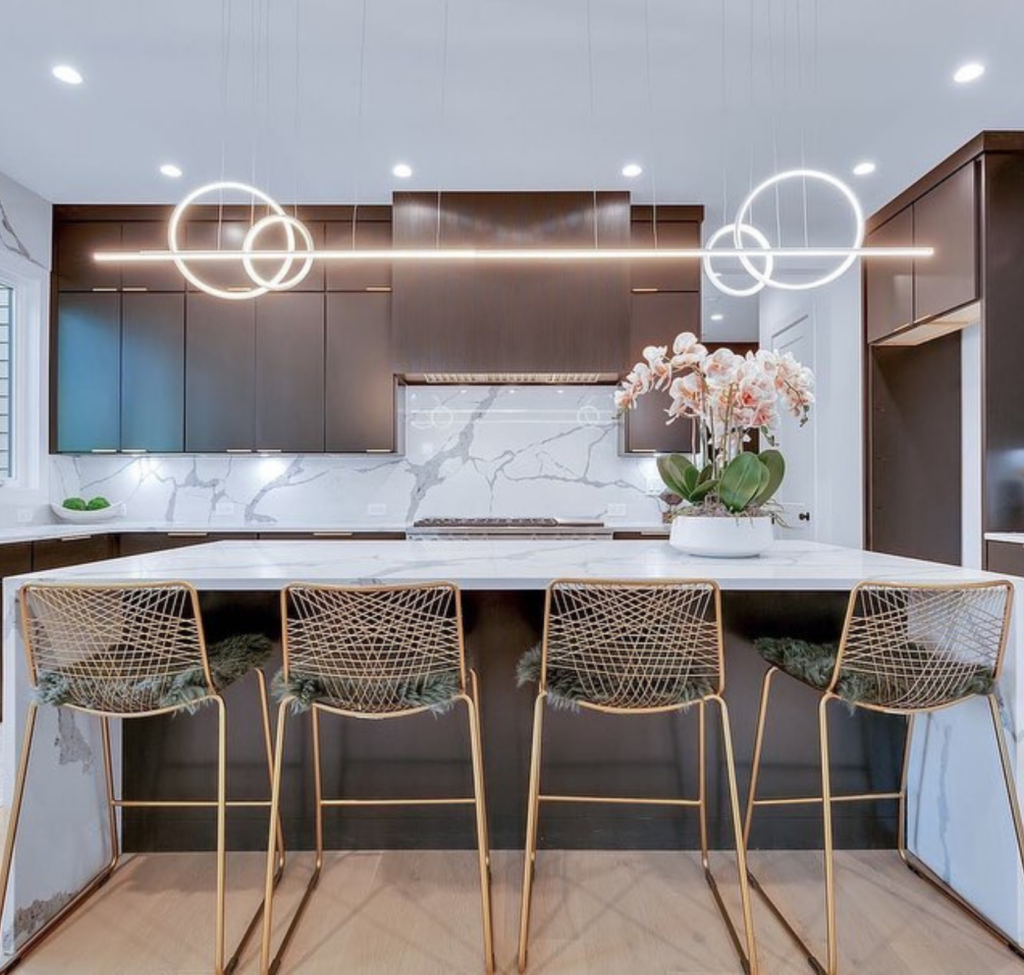
The kitchen can be both the heart and the workhorse of a home. You cook, clean, and craft here, but it’s also often a central point for hosting. Lighting options for kitchens are as diverse as your guests and depend heavily on your kitchen’s size, style, and function. Here’s a quick guide to get you started:
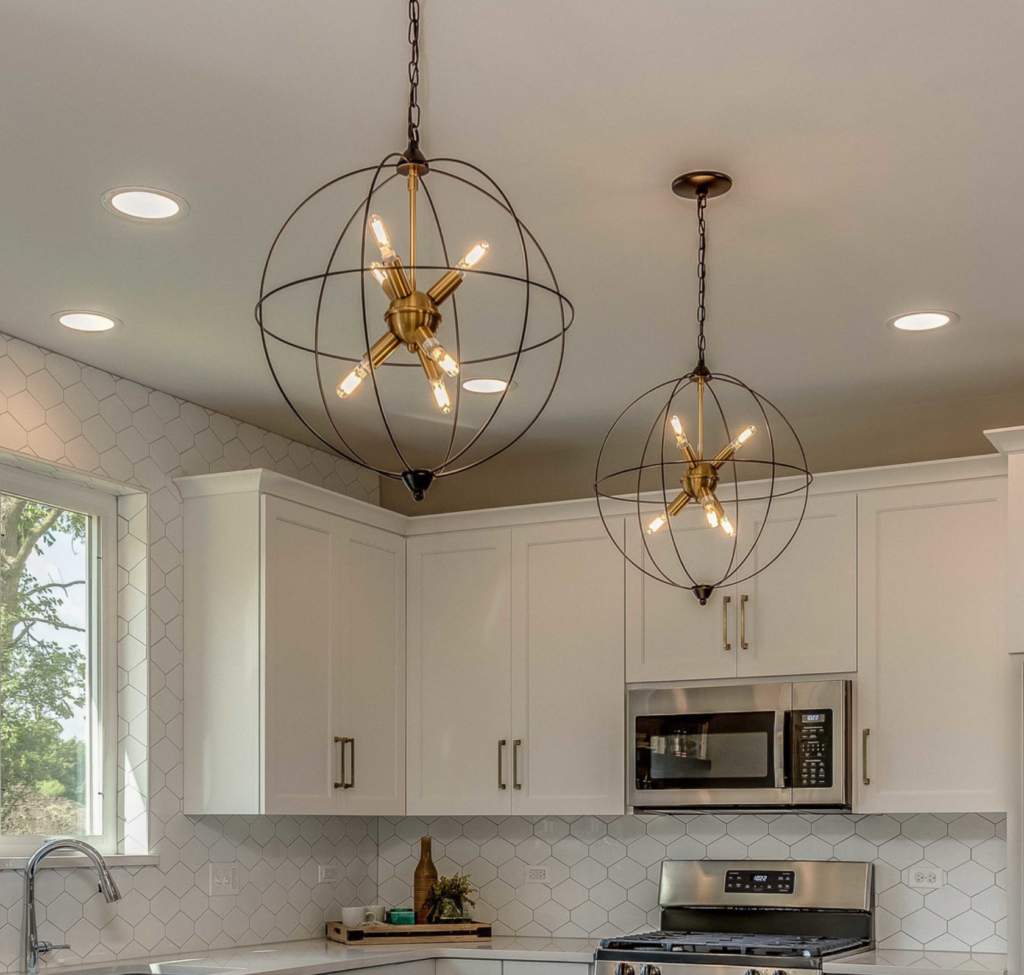
- Light under cabinets: Kitchen cabinets create intense shadows when you rely solely on ceiling lighting. Use recessed lights or LED strips to bring the space beneath the cabinets to life.
- Spotlight your culinary creations: Home chefs need to see exactly what they’re doing at every step of the recipe. A spotlight on your prep area can be the difference between gourmet cuisine and foodie misery.
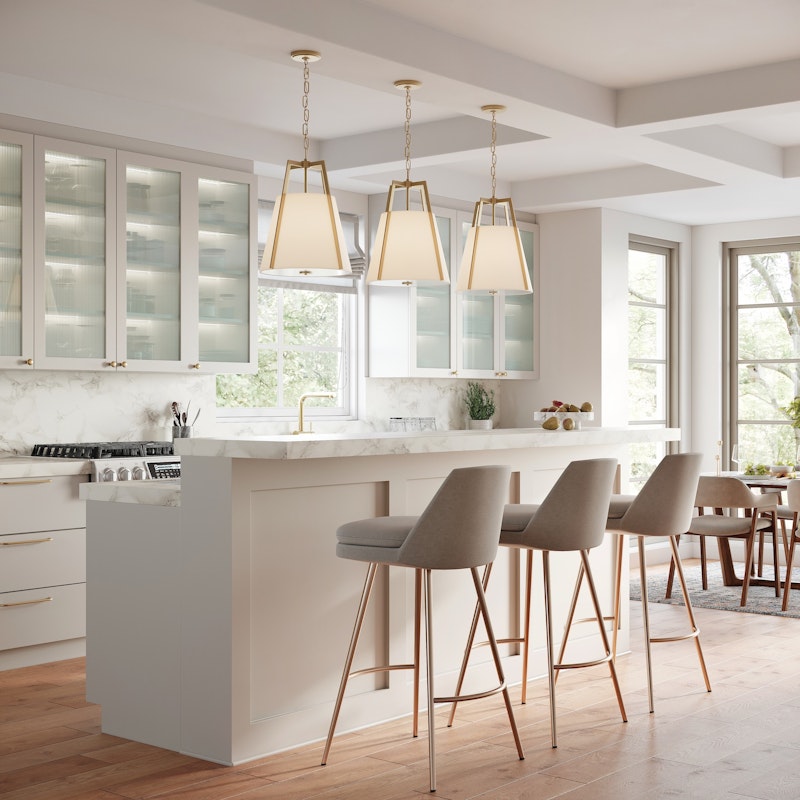
- Light up your hosting areas: If you have a dining area in the kitchen or love to gather at the kitchen table, bring some extra light to those conversations. A pendant light above a table creates a wonderful focal point and guides guests to where they need to be. Alternatively, recessed lights or lamps in a nook offer a different ambiance, effectively creating a separate, serene space.
Choosing light fittings for your kitchen means considering your existing decor, your practical requirements, and what most needs illuminating. Don’t forget accent lights to draw attention to your favorite appliances or nostalgic trinkets.
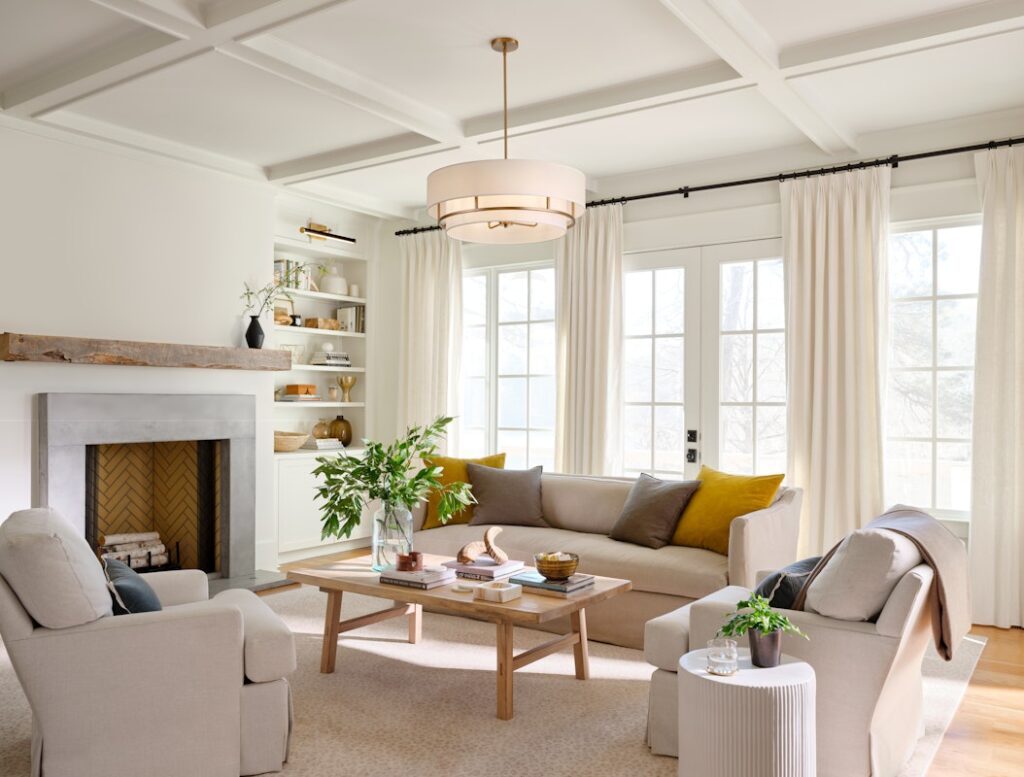
Ceiling Light by Hinkley Lighting
Living Room Lighting
The living room is a place where you can play with light like an artist. Use wall lighting options like sconces and lamps to direct light up, down, or out into the space. Ceiling lights, from recessed options to glowing chandeliers, create expansive incandescence, which you can combine with lamps and spotlights for a layered glow.
- Define your theme: While eclectic styling can be effective, a homogenous theme will draw the eye more consistently around the room. Consider sticking with fixtures that are similarly styled or that naturally complement each other.
- Don’t forget the central light: Whether it’s a collection of spotlights or a single pendant, it ensures a warm glow throughout the room. You can combine this with lamps, spotlights, and separately controlled recessed lights to create different areas, but without this central illumination, the room can feel too dark.
The only limit is your imagination, so feel free to experiment with light in your living room.

Chandelier by Corbett Lighting
Dining Room Lighting
The dining room needs to balance light so it’s bright enough to help you see and appreciate your meals, while maintaining a warm, welcoming ambiance.
- Consider the size: Small dining rooms may work well with sconces or recessed lights. A larger space should have a central light fitting, like a chandelier.
- Avoid too many light sources: Lamps and wall lights are highly effective, but too many will cast people’s faces in shadow.
If you’re planning to add a lamp, ask a few people to sit around the dining table while you place it to ensure it enhances the atmosphere and illumination.
FAQs
Should I use the same lighting options in every room?
For most homeowners, choosing a light for rooms like bedrooms and living rooms should involve very different considerations. Follow the guide above to learn how to make light work for you in each space.
What about lighting transitional areas like the hallway or foyer?
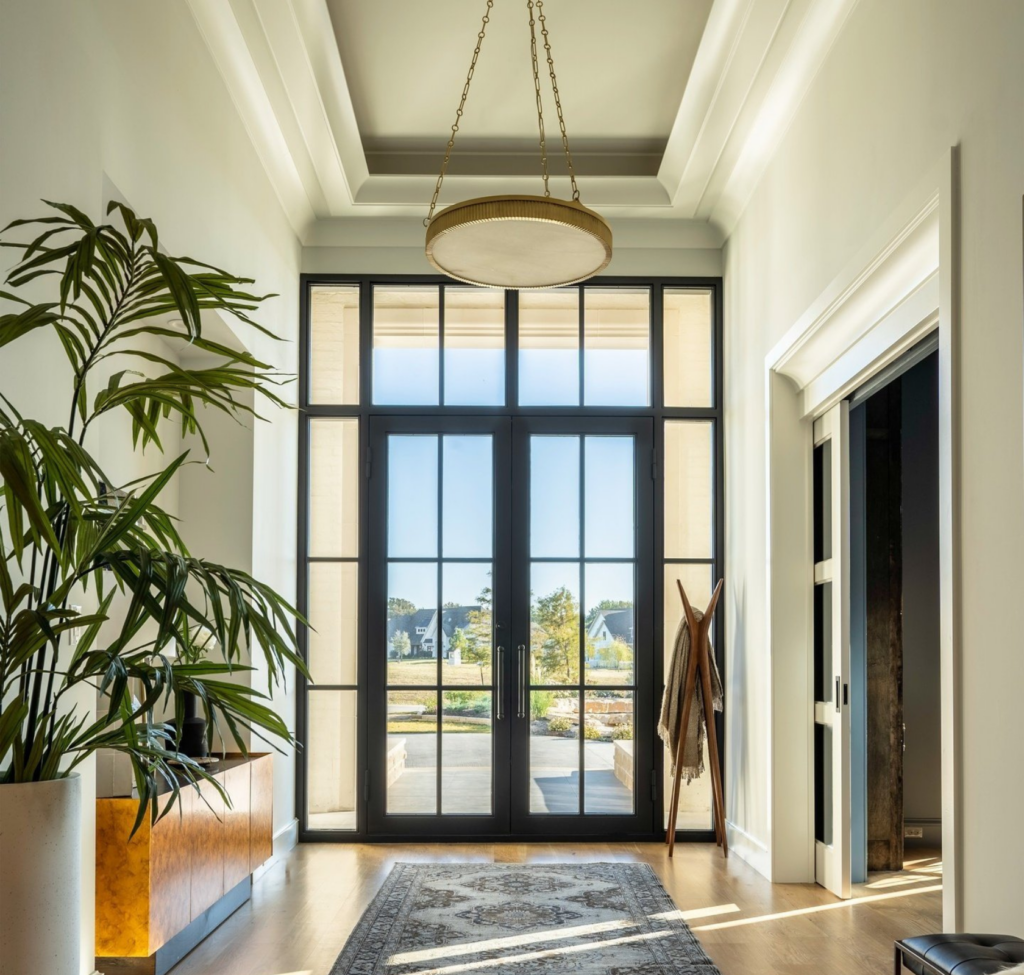
Look for warm yet bright lighting that helps people find their way without being harsh or clinical, and doesn’t detract from your overall design theme.
Should I illuminate my closets?
Room lights are also useful for closets and other storage spaces. Recessed lighting and motion-sensitive lighting can be clever options that save space and, in many cases, energy.
How many lights should I use per room or by size?
The number of lights depends on both the room’s dimensions and the type of fixture you’re using. As a general rule, plan for 20 lumens per square foot in living areas and 50–70 lumens per square foot in task-oriented spaces like kitchens or bathrooms. Larger rooms may need a mix of overhead, accent, and task lighting to eliminate shadows and create balance. In smaller spaces, one strong central fixture paired with a lamp or two is usually enough.
Tailoring Your Lighting Room-by-Room
Every room in your home is different, so why keep the room lights the same? Work with your space and choose light fittings that evoke feelings of warmth, welcome, and even whimsy. Browse the digital catalog to discover more or visit us at one of our locations.