Free Ground Shipping on Orders Over $49 Details & Exclusions Excludes Curb Side Delivery (LTL). Lower 48 United States Only. • NEW! Shop The Fall Lookbook

Mar 5, 2026
Minimalist vs. Maximalist Lighting Design: What’s Your Style
Lighting shapes the character of your home and affects its mood and personality. Well-executed lighting can transform any space, taking it from ordinary to extraordinary. Whether you favor the subtle warmth and understated elegance of minimalist lighting or the bold, dramatic impact of maximalist design, both styles can completely reinvent your environment.
To select the most suitable lighting style for your home, it helps to understand the key features of each approach.
This guide examines maximalist vs. minimalist interior design, including the characteristics, strengths, and differences, as well as factors to consider when making your choice.

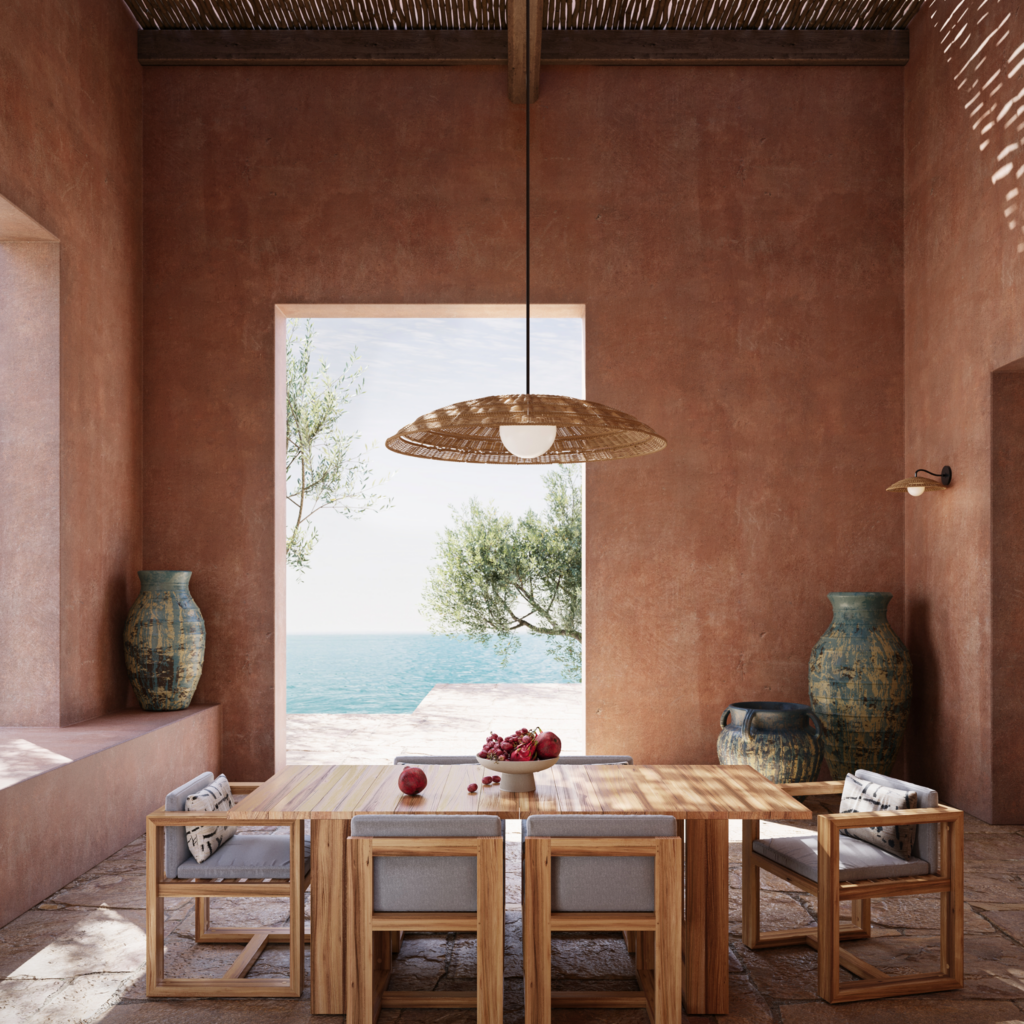
Ryan Pauly Kirby 22 Inch Large Pendant by Kuzco Lighting
The Subtle Glow of Minimalist Lighting
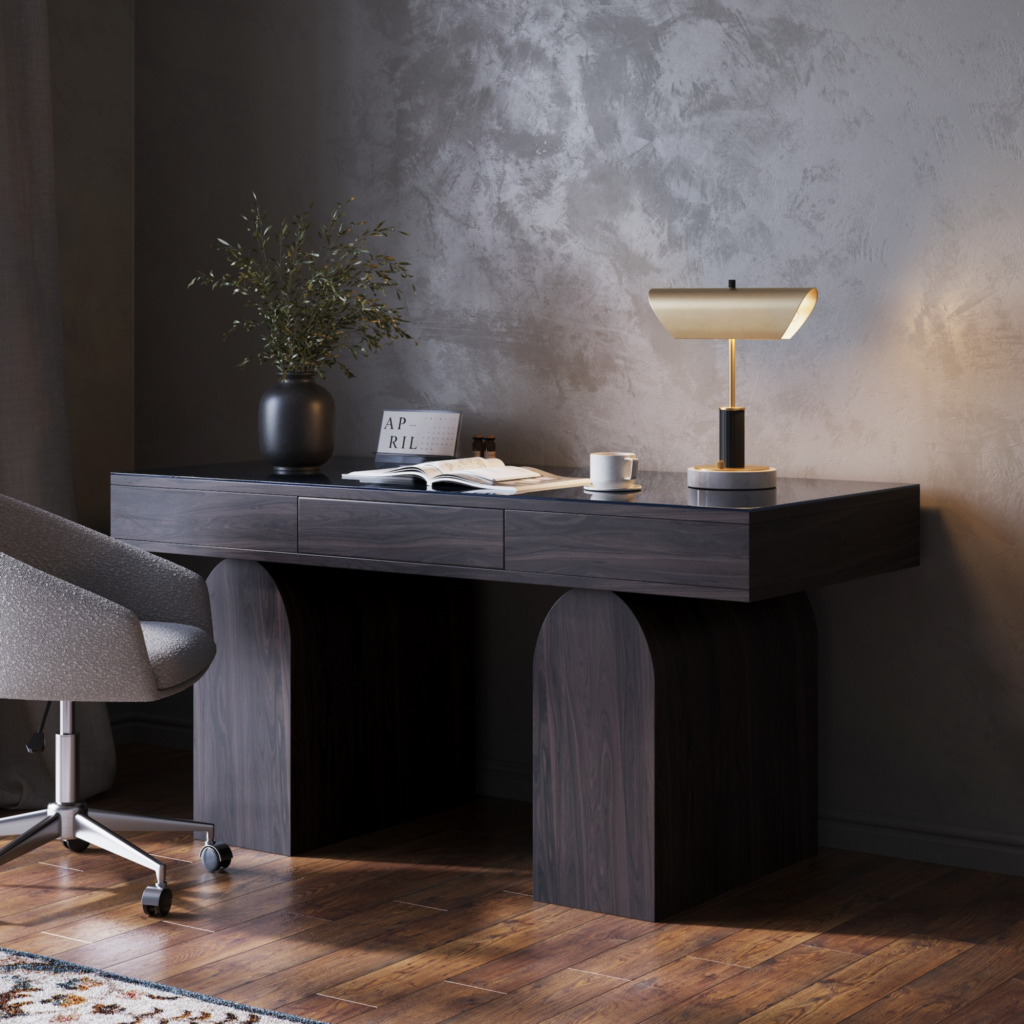
If you’re into clean lines, soft-washed lighting, and tranquility, then minimalist lighting may be your style. This lighting design works best in environments that require little or no intentional lighting. When incorporated into a closed room, minimalist lighting creates the illusion of a much bigger space. In an open space, minimalist lighting tones down the room’s mood and makes it feel less cluttered.
Key Characteristics of Minimalist Lighting Design
The characteristics of minimalist lighting include:
- Subtle illumination: Minimalist lighting gently washes your space with a diffused, yet uniform glow.
- Understated fixtures: Minimalist lighting fixtures are designed to blend into an environment rather than stand out. They are usually clean, streamlined, and free of embellishments.
- Smart integration: Many minimalist lighting systems feature smart technology and energy efficiency.
- Neutral colors: Minimalist lighting fixtures typically feature neutral colors, including soft white, matte black, and warm metallics.
When Is It Better to Choose Minimalist Lighting?
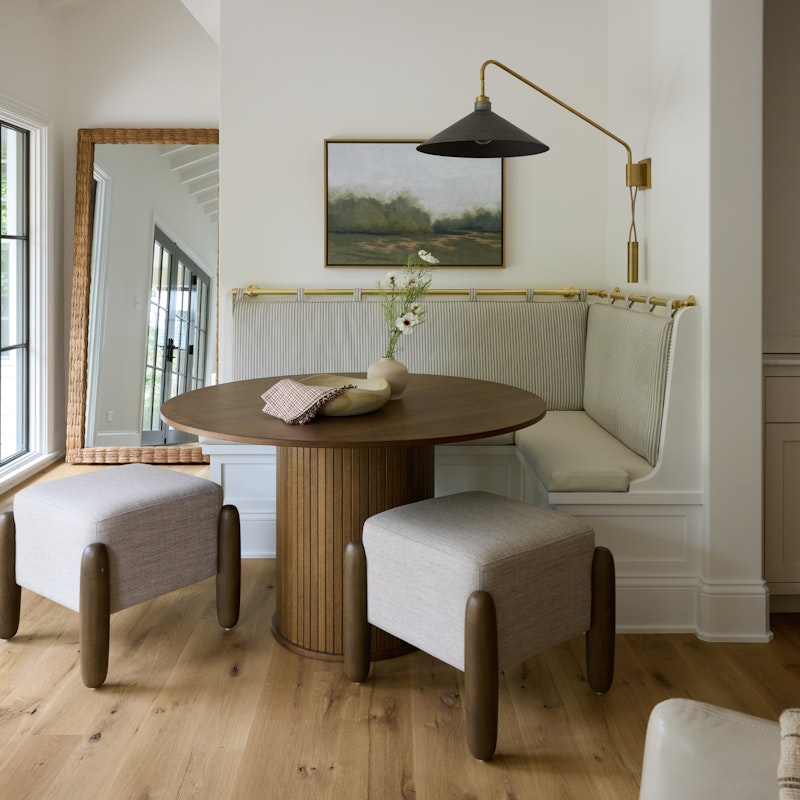
Are you looking to enhance your room’s lighting without washing out your décor, create a warm, welcoming mood in your foyer, or find the perfect floor lamp for a quiet reading corner? If so, minimalist lighting is up to the task.
Aspen 22 Inch Large Pendant by Hubbardton Forge
The Dazzling Effect of Maximalist Lighting
Are you an adventurist with an eye for eclectic décor? Or perhaps a person who loves vivid colors and bold patterns? If so, maximalist lighting will create the atmosphere you’re looking for. This lighting style is all about drama. The fixtures emit museum-quality lighting, and each doubles as a piece of art. If you enjoy bold, eye-catching lighting designs, then you’ll love maximalist lighting.
Key Characteristics
If you’re still unsure whether maximalist lighting suits your space, consider these characteristics to help you decide:
- Creates depth: Maximalist lighting is layered, instantly creating depth in the space.
- Luxurious finishes: Most maximalist lighting choices feature opulent finishes such as brass, gold, or jewel tones.
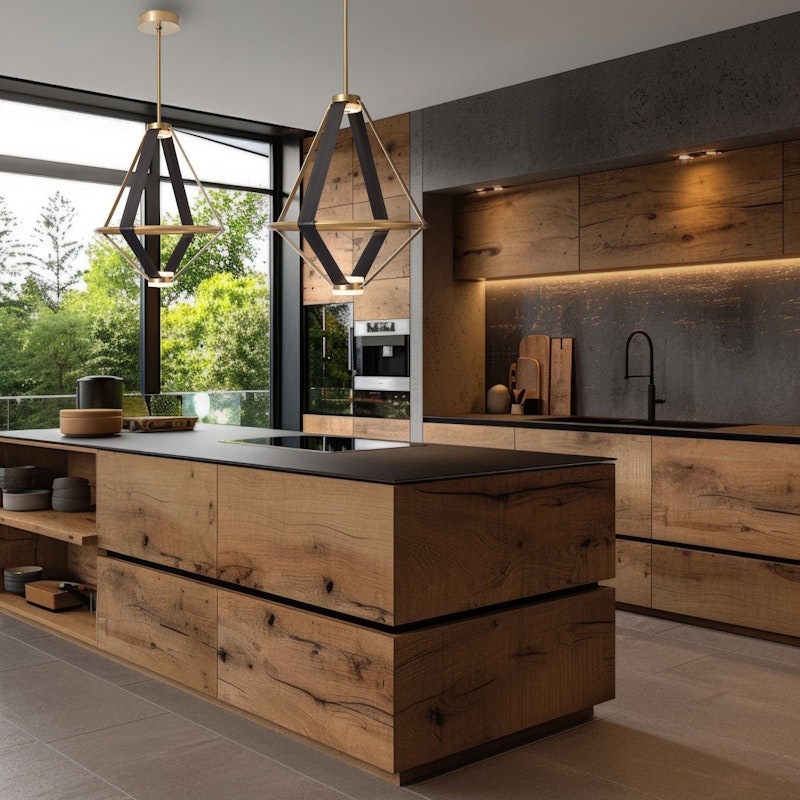
- Ornate fixtures: Maximalist lighting embodies the motto “go big or go home.” Imagine sparkling crystal chandeliers that cast rainbow prisms of light onto the walls, or grand pendants and floor lamps that could stand alone as art.
- Unique designs: Maximalist lighting, unlike minimalist designs, is not intended for seamless integration. Instead, these lighting choices are highly personalized, with purchases often influenced by individual personality and artistic taste.
When Is It Best to Choose Maximalist Lighting?
Maximalist lighting is designed to transform ordinary spaces into living, breathing works of art. It’s a bit overwhelming for individuals who enjoy a quaint, quiet, and relaxing vibe. However, it’s perfect for anyone who wants to feel invigorated when entering their space. Overall, maximalist lighting suits large areas that need a touch of personality or eclectic spaces that could use an additional conversational piece.
Minimalist vs Maximalist Décor: Side-by-Side Breakdown
| Elements of Design | Minimalist Lighting | Maximalist Lighting |
| What “vibe” does it provide? | Soothing and calm | Eye-catching and dramatic |
| What are the colorways? | Muted, soft tones and earth tones | Bold metallics and jewel tones |
| What is it made from? | Glass, metal, or wood | Crystal, brass, lacquer, or mixed materials |
| What are the lighting functions? | Ambient and task lighting | Combined use (accent, ambient, and task) |
| What is its scale? | Simple and slim | Oversized |
| How is it shaped? | Geometric or linear | Sculptural and ornate |
| What degree of light is emitted? | Light, soft, and airy | Full and impactful |
There are stark differences between the two lighting styles, with very few items overlapping. While either style can enhance the feel of a room, the specific ambiance you create will vary significantly.

Ellen Degeneres Viota 25 Inch Lantern Pendant by Visual Comfort Studio Collection
How to Discover Your Lighting Style
To identify the most suitable lighting design for your space, it’s important to carefully evaluate several key factors. Consider the room’s primary function, existing décor and aesthetic style, the ceiling height, and the overall color palette. Taking these elements into account will help you choose lighting that enhances both functionality and ambiance.
- Ceiling height: Maximalist lighting can easily overwhelm small rooms with low ceilings, but it’s the perfect style for rooms with high ceilings. As an extra perk, it can add interest to the space.
- Color palette: If your home has a simple monochromatic color scheme, using maximalist lighting can instantly boost any room’s appeal without adding additional details. Conversely, a room with vibrant colors is better suited to minimalist lighting.
- Existing décor: Minimalist lighting in a subtle space blends in naturally. To emphasize the character of these spaces, maximalist lighting works best. It creates a bold focal point and adds a certain vibrancy to the environment. In rooms with eclectic designs or patterned décor, minimalist lighting offers a tranquil central element.
- Room function: Confined spaces that require unobstructed lighting, such as kitchens and bathrooms, are best suited to minimalist lighting. Maximalist lighting, on the other hand, is best in open spaces that could use an artistic focal point.
Once you’ve considered the factors listed above, look around your space and ask yourself if the lighting you’re considering would make you feel peaceful or disrupted. Visiting a Capitol Lighting Showroom can help you see how the lighting looks in person. You can also talk to a specialist in the store or by calling customer service to discuss the mood you want to create and get specific recommendations.
In the end, the lighting you choose should reflect your home’s personality and make you feel comfortable. If you prefer a calm, tranquil atmosphere, minimalist lighting is a good fit. But if you like striking spaces with rich layers, maximalist lighting will create the excitement you’re after.
Blending Minimalist and Maximalist Lighting in One Home
If you find that both lighting styles offer equal benefits when weighing their pros and cons, it might be worthwhile to incorporate both into your space. This deliberate mix is especially effective if your home has a mix of crisp, defined areas and large, open spaces with artistic elements. Certain spaces, like dining rooms, living rooms, or dens, can work well with both lighting styles.
Using bold, maximalist lighting to add drama and create a festive atmosphere is ideal for New Year’s or birthday celebrations. On the other hand, opt for minimalist lighting to foster a warm, inviting environment where family and friends can connect and enjoy each other’s company (think Thanksgiving or anniversaries).
To blend the two lighting designs, consider:
- using functional task lighting in tight spaces where practicality matters, like closets or under cabinets.
- incorporating a few maximalist fixtures, such as a chandelier and a sculptural lamp, to add depth to a large space.
- mixing finishes to add to your overall décor.
- placing minimalist lighting fixtures anywhere you need ambient lighting, like a closet or a reading nook.
You don’t have to stick to one design rule throughout your entire home. Personal style is what matters, so each room can reflect a different vibe. Just remember, when it comes to lighting, whether you prefer a minimalist or maximalist look, less is more. This approach enables each fixture to work exactly as you expect and gives each a chance to really stand out.

Sonny 60 Inch Chandelier by Troy Lighting
Discovering Your Balance
Minimalist versus maximalist lighting is more than just choosing between two styles with different brightness levels. It’s about adding character to your space that reflects who you are. When you get it right, lighting can turn an empty room into a vibrant environment and lift the mood of anyone who walks in. That’s why selecting the right lighting matters so much.
Remember, your lighting style isn’t set in stone. Feel free to switch between maximalist and minimalist approaches to create a different vibe or to match a room makeover. Experimenting is part of the fun. You can also mix and match, try out different finishes or looks, and change things up over time. The possibilities are endless, and whatever you choose, your house will always feel like a home.
Whether you’re lighting up a small corner or your entire house, Capitol Lighting offers a wide range of fixtures from ceiling fans to floor lamps for your design needs.
Check out our latest collection online or visit a showroom nearby for a hands-on experience.