Free Ground Shipping on Orders Over $49 Details & Exclusions Excludes Curb Side Delivery (LTL). Lower 48 United States Only. • NEW! Shop The Fall Lookbook

Mar 26, 2026
Recessed Lighting Layout: Designer Tips for Every Room
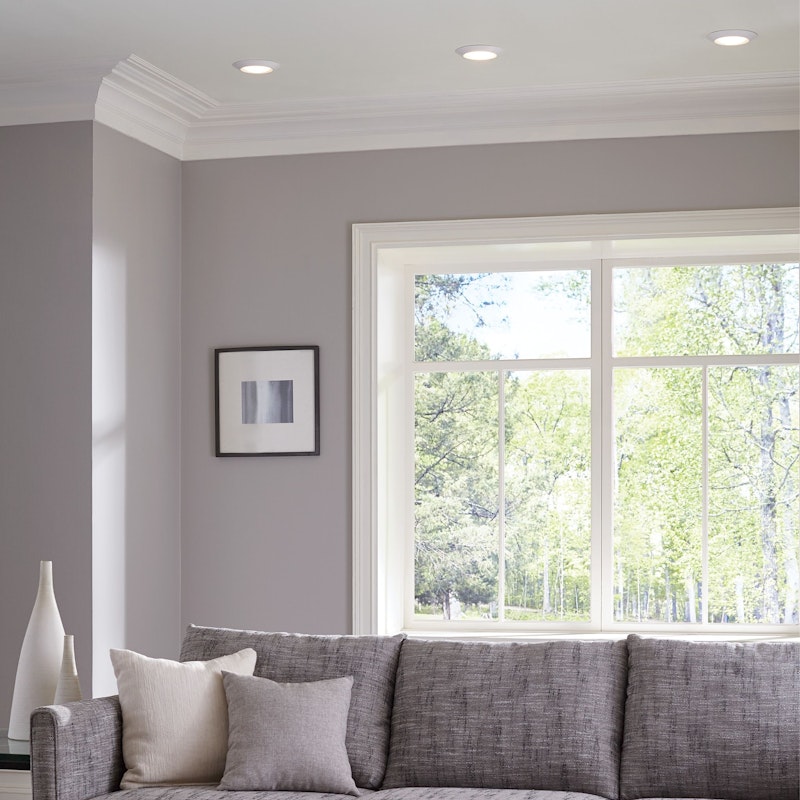
Recessed lighting is a flexible, unobtrusive option for nearly any room in your home. Because these fixtures sit flush with the ceiling or barely protrude, they save space and keep lines clean. They’re also excellent for ambient or layered lighting, particularly when paired with pendants, lamps, or wall lights.
Modern recessed lights are no longer restricted to bathrooms and under-cupboard lights in your kitchen. You can harness the know-how of lighting layout designers to leverage these lights in any room in your home. Knowing how to plan recessed lighting empowers you to create functional, streamlined, and stunning spaces.
Why Recessed Lighting Layout Matters
Without a proper plan for your recessed lighting layout, you may end up with areas that have too many or too few lights. Properly spacing recessed lights is essential to ensure areas are evenly lit.
However, you can deliberately cluster lights to illuminate areas that need a little extra brightness or clarity. Similarly, you can create more space between light fixtures, gently lowering light levels and increasing the ambiance.
Particular patterns of recessed lights will offer different results. You can also integrate various types and designs of recessed lights for increased versatility. Eyeball recessed lights, for example, allow you to rotate the light fitting, creating a movable spotlight. Select these types of light fixtures for dressing rooms or bathrooms, or to illuminate a reading nook when the ambient glow isn’t sufficient.
How to Create a Designer Quality Recessed Lighting Layout
You don’t need to be an expert designer to achieve outstanding results with your recessed lighting. There are a few key guidelines that you can follow. You know your space best, so use the room’s measurements, the existing lighting fixtures, and even your décor theme to guide your recessed lighting layout.
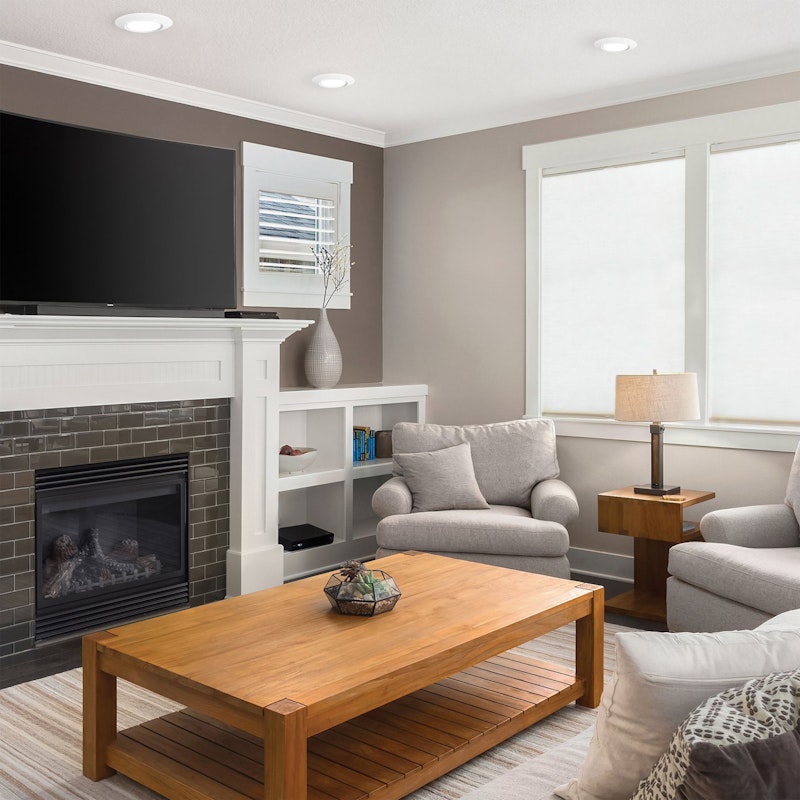
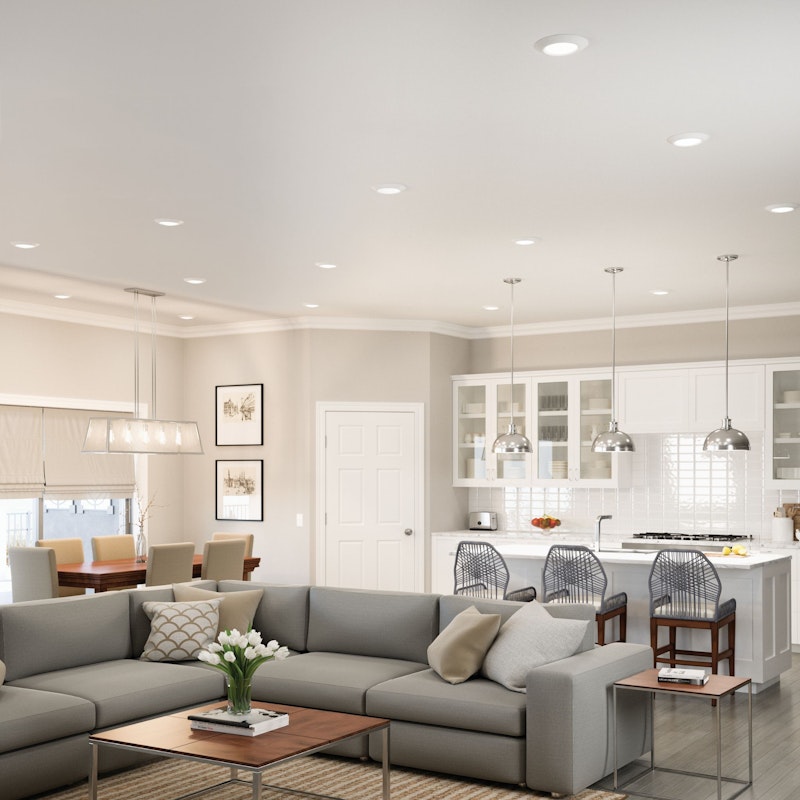
For even lighting, where illumination remains constant across the room, install recessed lights in a grid pattern in the ceiling. The tighter the grid, the more lights you’ll install, making the room brighter. You might find that this helps create the illusion of space in a previously small or shadowy room.
If you’re seeking a more intimate feel, spread the lights out to create subtle pools of illumination and a lower ambient light level. Consider your room: if you have highly polished, hard floors, for example, you might find that a high number of recessed lights causes too much glare. You may want to combine a smaller number of recessed lights with an uplifted pendant for a more comfortable look and feel.
Conversely, in a space with soft carpets and furnishings, especially a non-square or non-rectangular room, you might want to increase the number of recessed lights. You’ll create a clean, streamlined flow by avoiding too much protruding lighting hardware, yet your space will be beautifully lit.
Recessed Lighting Layout Tips for Each Room
How should you use recessed lighting in each room? Of course, your home’s layout and unique spaces will be your ultimate guide. But you can follow these designer-inspired tips to help you select recessed lighting layouts that elevate your rooms.
Bathroom
Recessed lighting is a common addition to bright, modern bathrooms. The clean aesthetic complements many bathroom décor themes. Minimizing protruding lighting hardware helps keep fixtures safer in moist environments and makes the best use of space in compact bathrooms.
A grid of recessed lights can ensure even illumination throughout your bathroom. However, you can also place these strategically. For example, you may have lights positioned directly above a vanity or other mirrored area to help with daily grooming tasks. You could also have wet-rated recessed light fixtures installed directly in the shower area.
Installing lights 4 to 6 feet apart is usually optimal for avoiding shadows and providing a desirable level of illumination. Larger spaces or unusually shaped rooms may benefit from movable spotlights or eyeball lights to manually focus the illumination where needed.
Bedroom
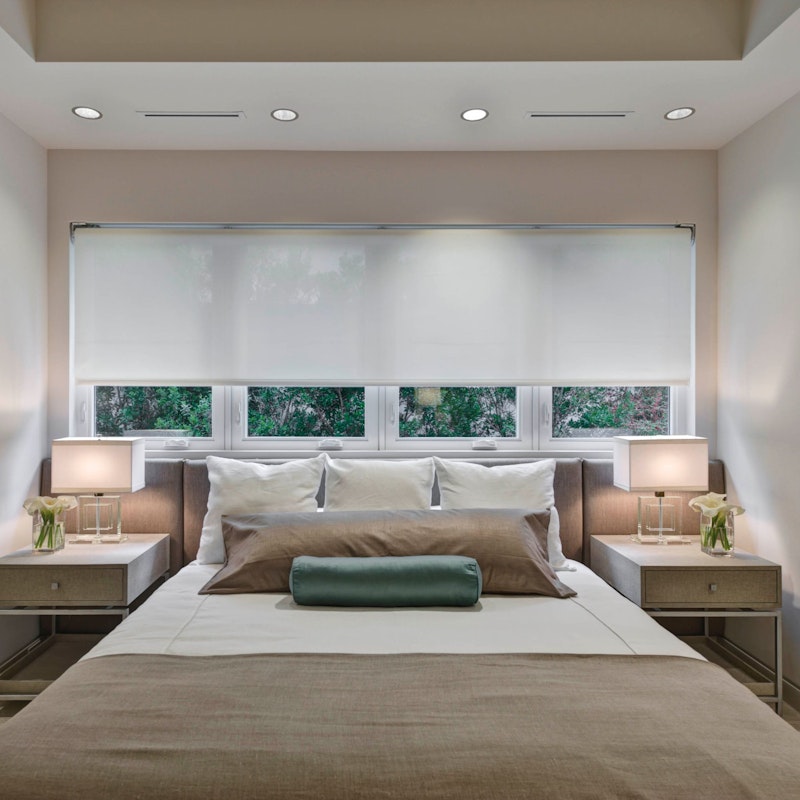
Your bedroom should be an oasis of calm, so that multiple bright lights can be jarring and unnecessary. Recessed lights, however, can be a solution to space restrictions or maintaining a minimalist theme throughout your sleeping area. They’re also a solution to low-ceilinged bedrooms where pendant lights feel intrusive.
Invest in recessed lights on a separate switch for the area around or above dressing tables or closet mirrors. Or, consider spacing recessed lights out across the ceiling for daily tasks, but having separate lamps in relaxing, cool tones for when it’s time to go to sleep. Dimmers can also help you create the mood you want in your bedroom.
Kitchen
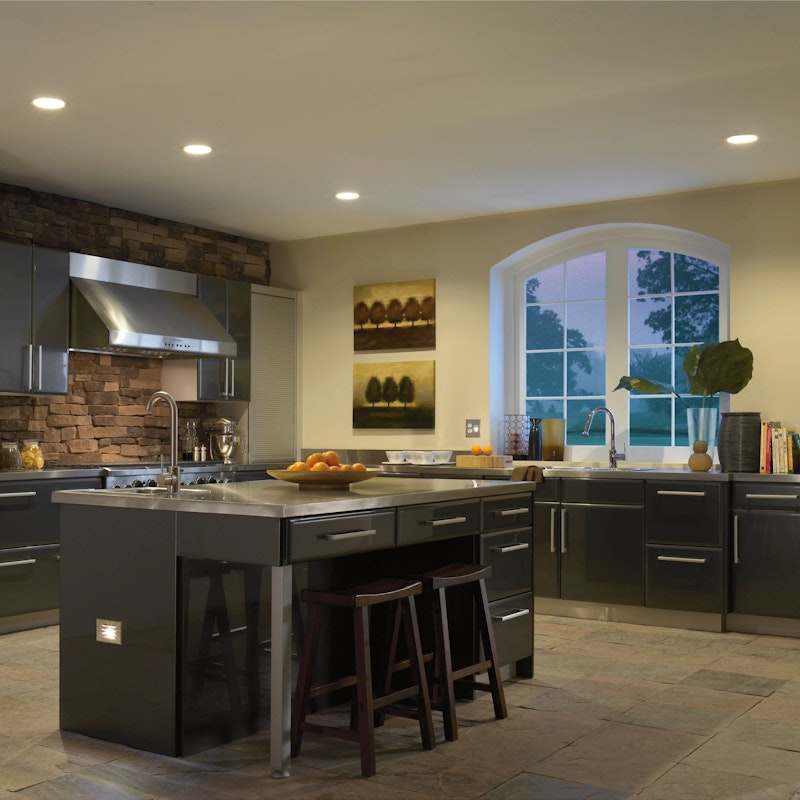
The kitchen is a space where recessed lights can truly shine. They’re an excellent choice for installing under cupboards, to provide illumination for enthusiastic home cooks and mixologists. Recessed lighting is also ideal for kitchen ceilings, especially in cooking areas where even illumination is essential.
Remember to check that lights are at least damp-rated, as cooking produces a surprising amount of condensation. If your kitchen combines cooking and dining, consider increasing the spacing of your recessed lights gradually as the room changes. You can complement the light fixtures in the dining space with a pendant light above the table, or wall lamps, efficiently providing layered levels of glow and adjustable ambiance.
Study
The size of your study or home office will be a major factor in how many recessed lights you use. A small study only needs a few lights, but they should be evenly spaced to avoid making the room feel cold and clinical. You might want to add a desk lamp for reading or writing tasks, or switch between recessed lights and a pendant light, depending on whether you’re working on a screen or not.
A larger office can have one area evenly illuminated with recessed lights and another mixing lamps, wall lights, or pendant lights as required. Mixing multiple lighting types can help create a designated relaxation space in your office, clearly delineate your work area, and help you focus.
Entryways and Corridors
Recessed lights are ideal for entryways, mud rooms, and other transitional spaces. You can quickly see where coats and shoes are, or where mud has been smeared, so that you can clean them quickly. Narrow corridors may benefit from staggered ceiling lights arranged in a zigzag pattern, providing even light and avoiding shadows without oversaturating the space.
Common Recessed Lighting Mistakes
As with all lighting fixtures, recessed lights require a little forethought and some planning to achieve the most impressive results. Avoid these common recessed lighting mistakes:
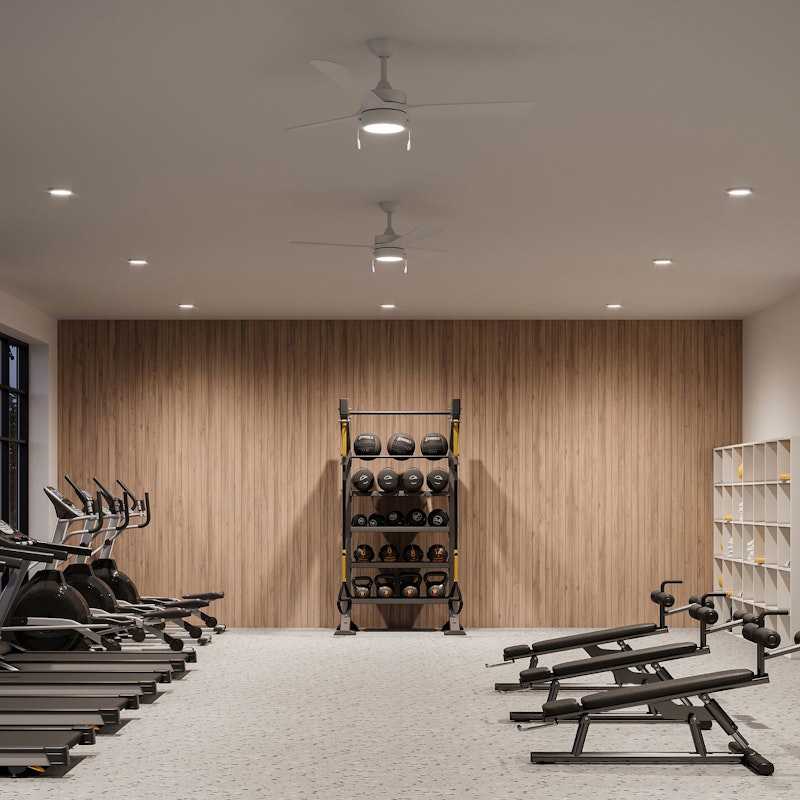
- Installing too many lights: Recessed lighting is ideal for even, broad illumination in areas where visibility is paramount. But too many lights can leave a room feeling cold and clinical. Over-illuminating any space in your home can drain its ambiance and welcome.
- Not installing enough light fixtures: Conversely, too few recessed lights can lead to pools of light surrounded by shadows, creating a dim, dark atmosphere in your home. Although you may want this effect if you’re creating low lighting for a home cinema space or a similar room.
- Forgetting about your other lighting fixtures: Your recessed lighting layout should complement your existing lamps and other lights, not replace them. Leave space for a pendant light to softly illuminate a living room, or for a reading nook to have its gentle glow from a beautifully shaded lamp.
- Ignoring your décor and interior design themes: If you’ve invested time, effort, and money into a beautiful coastal theme for your home, suddenly filling it with stainless steel-rimmed recessed lights may disrupt that aesthetic entirely. Opt for recessed lights that complement your décor. You can find these lights in finishes ranging from warm bronze tones to tactile brushed nickel.
Even though the trim of recessed lights is subtle, the color and finish can have a surprising impact on your home’s overall look and feel.
How a Lighting Professional Can Help
Light experts can often calculate exactly how many recessed lights you’ll need and their perfect placement, depending on the dimensions of your space and how brightly you want it illuminated. These calculations change depending on the size of the light fixtures, the potential for shadows, and the brightness of the selected bulbs.
If you have crafted a recessed lighting layout for a room in your home, let an expert take a look at it. They may be able to offer additional advice, such as pairing recessed lights with pendants or wall lamps, or fitting dimmer switches to certain lights to create a soft ambiance or brighter spots for enhanced clarity.
Visit one of our stores or speak to a member of our team. We’ll be happy to offer advice on all aspects of recessed lighting, helping you achieve your lighting design goals and elevate the look and feel of your home.