Free Ground Shipping on Orders Over $49 Details & Exclusions Excludes Curb Side Delivery (LTL). Lower 48 United States Only. • NEW! Shop The Fall Lookbook

Jun 8, 2014
How to Install Recessed Lighting Without Attic Access
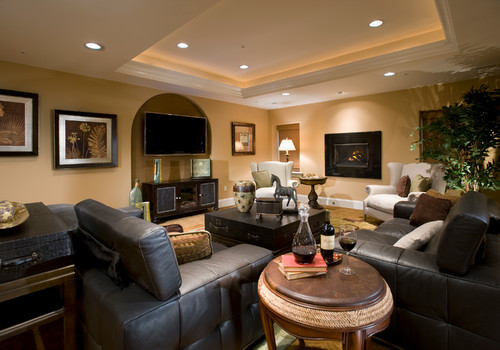
A Lighting Pros’ Remodel Housing Guide
Installing recessed lighting with a remodeling housing allows you to mount lights from below the ceiling, no attic access necessary. This type of project involves cutting a ceiling opening, running electrical cable to a switch or outlet, wiring the fixture and securing the housing using built-in clamps.
If you plan to do this project on your own, we suggest basic wiring familiarity, as this is an intermediate level DIY project that may take 2-3 hours minimum.
Tools & Materials You’ll Need
- Remodeling recessed light housing
- Circuit tester
- Keyhole saw
- Fish tape
- Wire strippers
- Utility knife
- Electrical cable
- Wire nuts
Once you have all your tools, you’ll be ready to go! Here is your step-by-step guide to help you with this do-it-yourself lighting project.
Step 1 – Turn Off Power & Confirm it’s Safe:
Switch off the power to the room at the main circuit breaker. Insert a circuit tester plug into an electrical outlet to check if it is safe to work.
Step 2 – Mark the Ceiling Cutout for the Recessed Light:
Hold the recessed light housing up against the ceiling where you want to install your new light fixture. Using a pencil, trace around the housing.
Step 3 – Cut the Opening:
Start cutting the hole out for the recessed light by drilling a 1/4-inch hole into the center of the traced area. Insert a key hole saw into the hole, cut towards the traced line, then cut on the traced line.
Step 4 – Access the Power Source:
Find a nearby junction box or electrical outlet to which your light switch and recessed light will be wired. Remove the face plate from the junction box or outlet. Remove the screws holding the outlet to the electrical box then carefully pull the outlet out of the electrical box to expose the wires.
Step 5 – Mark and Cut a Wall Opening for the Light Switch:
Locate the position of the light switch in the middle of the recessed light and the electrical outlet. Measure 52 inches up from the floor and mark this using a pencil. Trace the electrical box on the wall for the light switch, centered on the 52-inch mark. Drill a hole in the center of the traced area then cut out using a key hole saw.
Pro Tip: When cutting drywall, score lighting first to avoid cracking the surrounding area.
Step 6 – Run Electrical Cable Between Ceiling & Switch:
From the recessed light hole, run the electrical cable through the ceiling over to the light switch hole. Using a fish tape, pull the end of the cable out of the wall by 6 inches. Cut the cable using wire cutters. Also cut the end of the cable that is hanging from the recessed light hole in the ceiling about 6 inches long.
Step 7 – Install Remodeling Electrical Boxes:
Insert the electrical cable into the hole on the remodeling electrical box. Next, tuck the remodeling electrical box into the light switch hole and push it up so the clamps snap in place. Insert the electrical cable into the cable clamp on the remodeling recessed light housing.
Step 8 – Stip & Prepare Electrical Wires:
With a utility knife, cut off 3 inches from the outer insulation jacket of each end of the electrical cable to expose the internal insulated wires and bare copper grounding wire. Then strip 3/8 inch of the insulation off each wire using wire strippers.
Step 9 – Connect Hot & Neutral Wires to Power Source:
Hold the new black wire on its end and attach this to the black wire from the junction box, then twist them together. Secure the connection with a wire nut. Connect to an electrical outlet by wrapping the black wire counter clockwise around the brass-colored terminal screw. Fasten the screw using a screwdriver. Apply the same steps with the white wires.
Step 10 – Connect & Secure Ground Wires:
Twist the two bare copper grounding wires together, with the bare metal end of the green insulated pigtail wire. Then screw on the green wire nut and insert the screw of the pigtail into the screw hole on the junction box or electrical box. Repeat this step to ground the light switch wires.
Step 11 – Wire the Light Switch:
Wrap the black wire that stretches from the outlet or junction box up to the light switch electrical box around the brass-colored terminal screw on the light switch. Then wrap the white wire that leads to the outlet or junction box counter clockwise around the silver-colored terminal screw on the light switch, directly underneath the brass-colored terminal screw and on the same side at the brass-colored terminal screw.
Step 12 – Connect Switch Wiring to the Recessed Light:
Twist the black wire that leads to the light switch and the black wire from the recessed light fixture together and fasten with a wire nut. Do the same with the light switch white wire and light fixture white wire. Wrap the green insulated wire or the bare copper grounding wire of the light switch around the green grounding screw of the light fixture then fasten the screw.
Step 13 – Install the Recessed Light Housing & Trim:
Insert the remodel recessed light housing up into the ceiling until the tabs on the side snap in place. Then insert the recessed light trim up onto the recessed light housing and attach this using screws or spring clips.
Step 14 – Mount the Switch, Restore Power & Test the Light:
Fasten the light switch to the electrical box with screws and attach the face plate. Your new recessed light is now ready. Switch the power back on and enjoy your new lighting!
Recessed Lighting Installation FAQs
What is a remodeling recessed light housing?
A remodeling (or “old work”) recessed light housing is designed for ceilings where attic access is not available. It installs from below the ceiling and uses built-in clips or clamps to secure the fixture to drywall.
Can recessed lights be installed on a dimmer switch?
Yes, recessed lights can be connected to dimmer switches. Be sure both the light fixture and the bulbs are compatible with the dimmer you choose.
Do I need a permit to install recessed lighting?
Permit requirements vary by location. Always check local building codes before starting your project.
What type of bulbs work best for recessed lighting?
LED bulbs are a popular choice for recessed lighting because they are energy-efficient, long-lasting and available in a range of color temperatures for different lighting effects.
When should I hire a professional electrician?
If you’re unfamiliar with electrical wiring, working in older homes or unsure about code requirements, then you should hire a professional.
Finishing your Recessed Lighting Installation
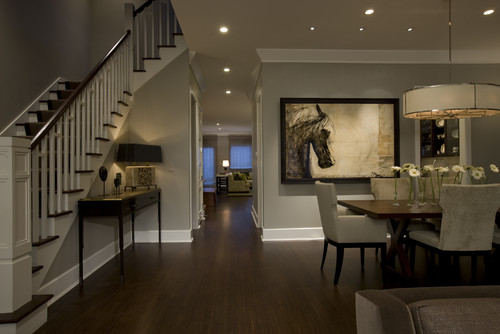
Installing recessed lighting with a remodeling housing is a practical way to upgrade your home without attic access. With careful planning, proper wiring, and attention to safety, this DIY project can dramatically improve both lighting performance and visual appeal. Once installed, consider LED bulbs or dimmable recessed lights to further customize your space.