Free Ground Shipping on Orders Over $49 Details & Exclusions Excludes Curb Side Delivery (LTL). Lower 48 United States Only. • NEW! Shop The Fall Lookbook

May 15, 2026
A Guide to Textured Metal Finishes in Lighting
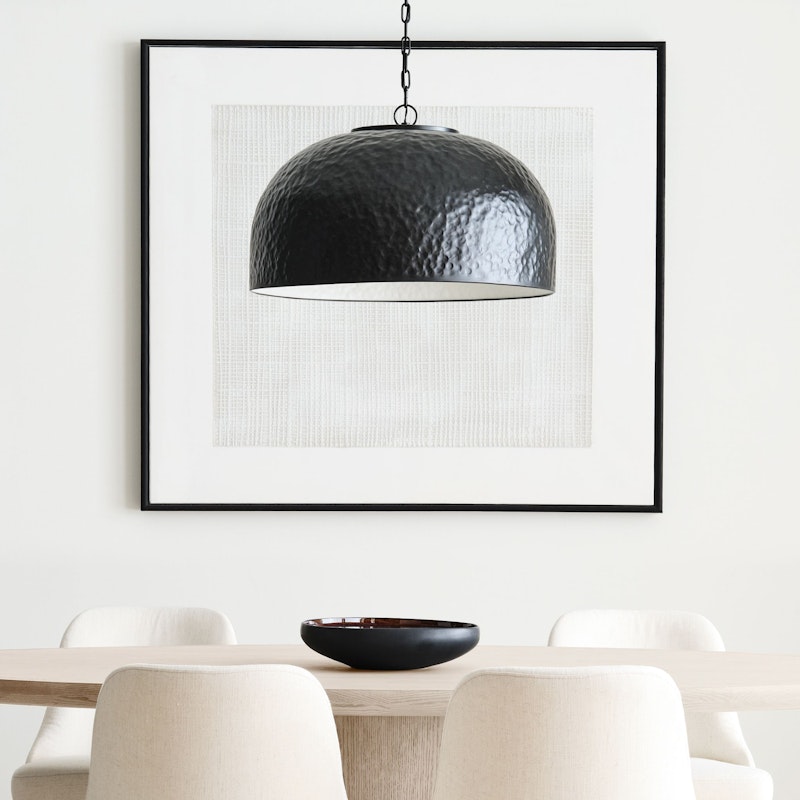
Thom Filicia Buckner Large Pendant by Visual Comfort Studio Collection
Textured metal finishes in lighting add depth, visual interest, and character. Whether it’s hammered, sandblasted, or knurled metal, there are plenty of options to transform not just metallic surfaces but entire spaces.
Textured metal finishes in lighting turn flat, reflective surfaces into a tactile element. They add texture and interest to interiors ranging from slick modern to cozy rustic.
This guide focuses on the best textured metal light fixtures to help you choose the finish that best suits your space and style.
Popular Types of Textured Metal Finishes
If you want to incorporate textured metal into your space, here are some of your options.
Hammered Metal
As its name suggests, hammered metal lighting fixtures have a surface that appears to have been struck by a hammer. Designs may include small, clustered, or spaced-out indentations. Popular types include hammered ore, which is often a dark, two-tone finish. Tones may include bronze, silver, or black. Another popular design is light hammered (subtle, organic dents) vs. heavy hammered (dense, rustic patterns).
Most commonly, this type of textured metal is used for rustic, industrial, and transitional designs, especially when going for a handcrafted look and feel.
Brushed Metal
This look is achieved by running a brush or pad over metal. It’s characterized by fine, parallel lines that create a matte sheen. Brushed metal finishes create a uniform, linear texture that adds a versatile element to the design.
Several materials are used to achieve this look, including nickel (popular for its low-maintenance, smudge-resistant qualities), brass (commonly used in contemporary lighting to provide warmth), and aluminum (best for modern, industrial designs when a lightweight texture is desired).
Since brushed metal finishes are so versatile, they’re ideal for modern, farmhouse, and eclectic designs.
Raw and Oxidized Metals
When fixtures are made from unprocessed or treated metals, you can enjoy the material’s natural, imperfect character.
For example, the surface of raw steel often features mill scale, which forms due to a mixture of iron oxides. The effect gives fixtures a dark, varied gray look. Another example is oxidized brass and nickel, which feature an intentionally distressed, hand-applied finish that gives an aged, truly one-of-a-kind look.
This style is popular for urban, industrial aesthetics. Patina finish on light fixtures, featuring aged bronze, brass, and copper, is also popular for rustic and farmhouse styles.
Oil-Rubbed Bronze
Oil-rubbed bronze offers a dark, rich, often mottled finish that mimics aged metal. This style is best for achieving reddish, copper highlights. Many describe this look as having a “lived-in” feel, making it ideal for rustic and traditional settings.
Since this style is so timeless, designers see it as a classic finish that’s gaining renewed popularity. It pairs well with materials like marble, plaster, and brass, particularly when creating warmer, more inviting spaces.
Antique or Tarnished
This finish is designed to look aged and worn, often incorporating brushed textures. For example, antique brass has a vintage, luxury feel. It’s warmer and more muted than bright brass. The same applies to aged pewter, which is currently trending due to its durability and sophistication.
If you’re looking to incorporate traditional designs or achieve a high-end, vintage look, antique or tarnished lighting fixtures are a good choice.

Vishal 39 Inch Chandelier by Troy Lighting
How Textured Metals Influence Fixture Style and Mood
Whether you choose brushed, hammered, aged, or another finish, textured metals instantly transform lighting fixtures. By creating a textured look, these fixtures transition from functional items to design elements that influence a room’s mood.
Compared to polished, reflective metal, textured metal creates more depth and warmth in a room. The metal and finish you choose will define a room’s mood. For example, hammered metals offer a sense of handcrafted authenticity, providing charm and comfort. When the goal is to create a more refined, calm mood, brushed metals provide a muted, sophisticated glow.
Aged and oxidized metals can instantly create a vintage-like vibe and mood that is cozy, romantic, and nostalgic. These light fixtures suggest a history based on their character.
Where Textured Metal Lighting Works Best in the Home
Textured metal lighting, ranging from hammered copper to oil-rubbed bronze, works in any space to add depth, warmth, or a focal point. These fixtures work well in spaces where you need to break up cold, smooth surfaces. Since these fixtures also help reduce glare and offer illumination, they’re both decorative and functional.
Here are some ideas of where to include textured metal in your home:
- Kitchen islands and prep areas: To add personality, add a textured metal pendant over your kitchen island. For a dramatic focal point, hang pendants in a group of two or three.
- Dining rooms and other gathering spaces: Add a large, textured metal chandelier or a pendant as a statement piece. This fixture will add plenty of ambient lighting and a welcoming ambiance.
- Master bedrooms: Textured metal fixtures, such as aged pewter and brushed gold, add a sense of luxury to a relaxing environment. In bedrooms, you can mix materials, combining metal with linen sheets and shades, for example. Add a textured bedside lamp or overhead light.
- Bathrooms: A metal sconce or pendant adds contrast to glass showers and porcelain sinks.
- Entranceways: A bold, textured light fixture draws your eye and sets the tone for your home. If you have high-ceiling rooms, large, artisan pieces can help fill vertical spaces.

Robbie 24 Inch Bath Vanity Light by Capital Lighting
How to Mix Textured Metal Fixtures with Other Finishes
When you’re creating a curated look, designers often suggest mixing textures within the same metal family. An example would be combining brushed brass with polished brass. This approach creates depth without creating visual chaos.
Another approach is to mix textured metal lighting with other finishes, establishing a dominant metal (60-70%) and a secondary accent metal (30-40%). This approach ensures intentional contrast instead of clutter. To balance the look of these fixtures, use the same finish on items with similar functions, like your faucets. You can then add textured lighting as statement pieces.
Tips for Choosing the Right Textured Metal Finish
Choosing the right textured metal involves balancing aesthetics with functionality. Here are some tips for choosing a textured metal finish:
- When choosing a textured metal finish, consider maintenance, design cohesion, and the environment. Consider what your lighting fixtures will be exposed to. If metal is exposed to moisture or UV rays, you’ll want to invest in a corrosion-resistant finish.
- Match texture to style and ambiance. If you’re going for an industrial or rustic look, choose heavily textured options like aged galvanized steel, raw steel, or hammered copper. If you’re aiming for a more sophisticated vibe, opt for pewter or burnished brass.
- Leverage the benefits of textured metal to achieve specific goals. If you want diffused light, hammered metals scatter illumination in multiple directions. This effect creates a warmer, less harsh ambient glow.
- For high-use areas that are frequently touched, choose finishes that show fewer smudges, such as matte and brushed finishes.
- Pair textured metals with smoother surfaces to create visual interest. For example, a brushed brass pendant works well with matte black accents. However, mix with caution to avoid a chaotic look. Designers often use a 60/30/10 ratio, with one dominant finish and one or two complementary textured accents.

Myriah 20 Inch Large Pendant by Capital Lighting
How to Find the Perfect Lighting Style for You
Finding the best lighting for your space, whether it’s textured metal finishes or not, relies on blending functionality with personal aesthetic. Before you look at your options, create a lighting plan that focuses on a 3-level approach: ambient (overall), task (focused), and accent (mood) lighting, at varying heights.
Choose fixtures that complement the existing decor, such as modern or industrial styles. You should also ensure consistent finishes for a cohesive look.
The best metal finishes for light fixtures depend on what you want to achieve. The “best” choice is subjective, depending entirely on the desired aesthetic, durability needs, and the existing design elements in a space. Think about your goal: whether it’s to blend in, make a statement, or add warmth to the room.
Need assistance finding the perfect fixture? Contact our team or visit a lighting showroom near you.